Dispensing Machine: Precision Tool and Intelligent Driving Force of Modern Manufacturing Industry
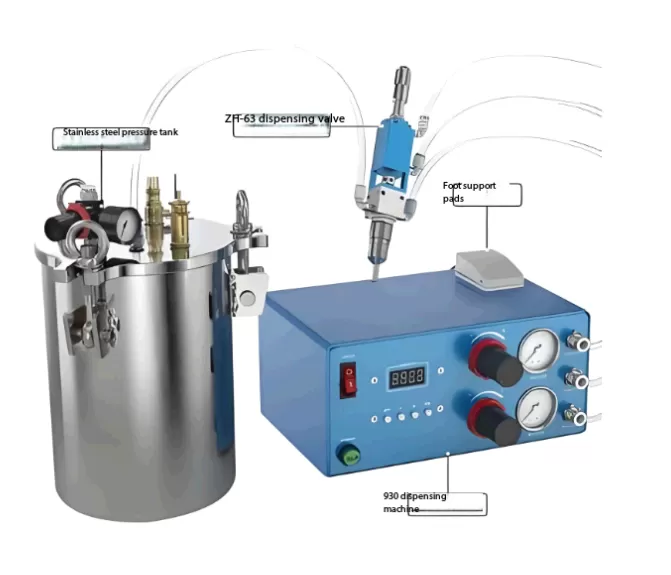
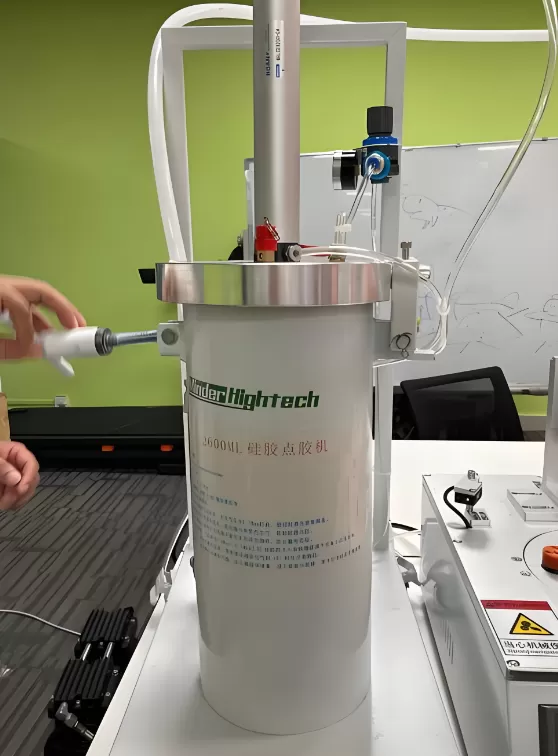
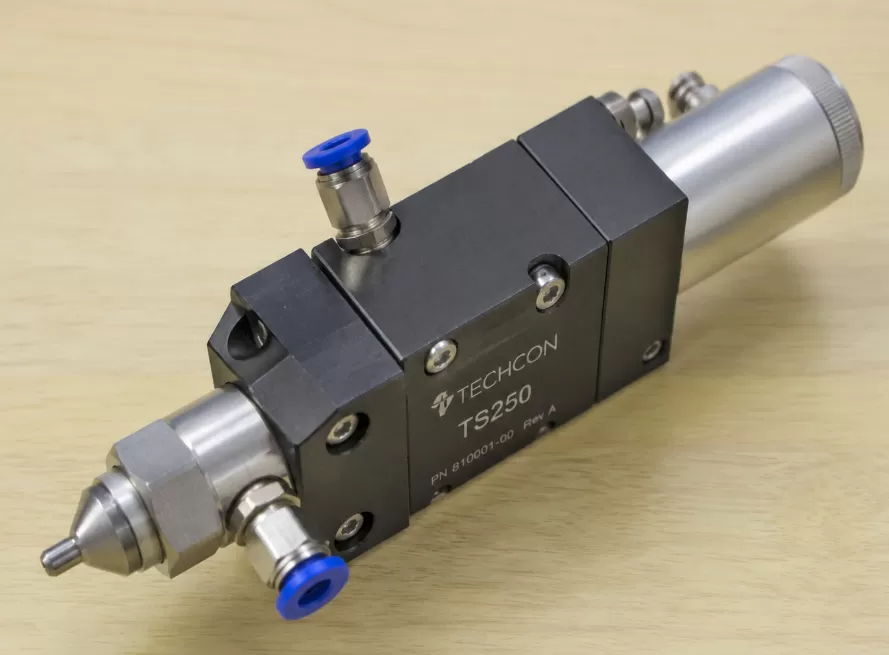
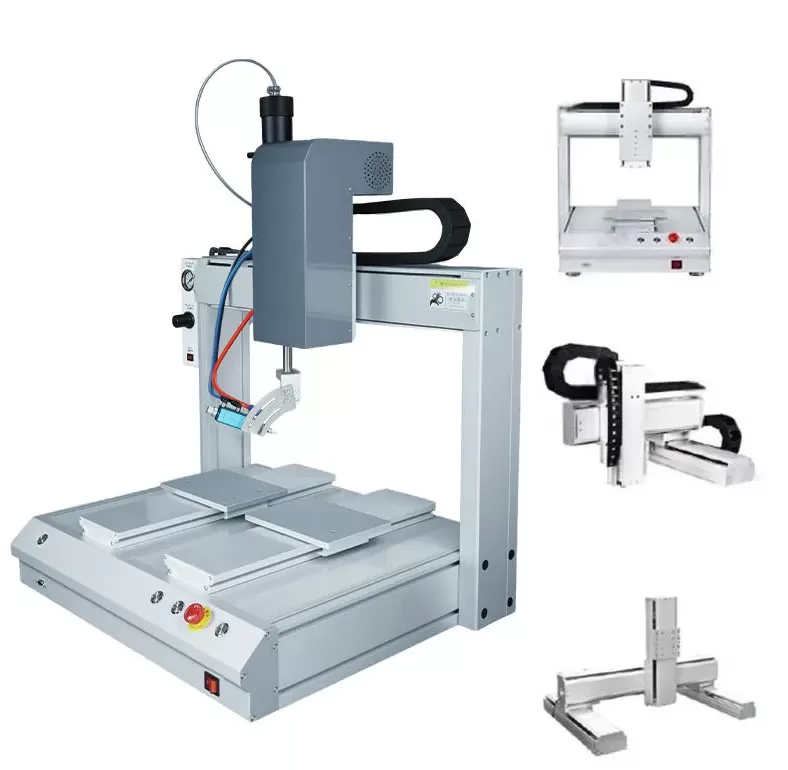
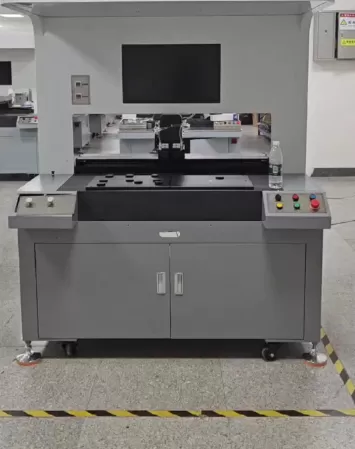
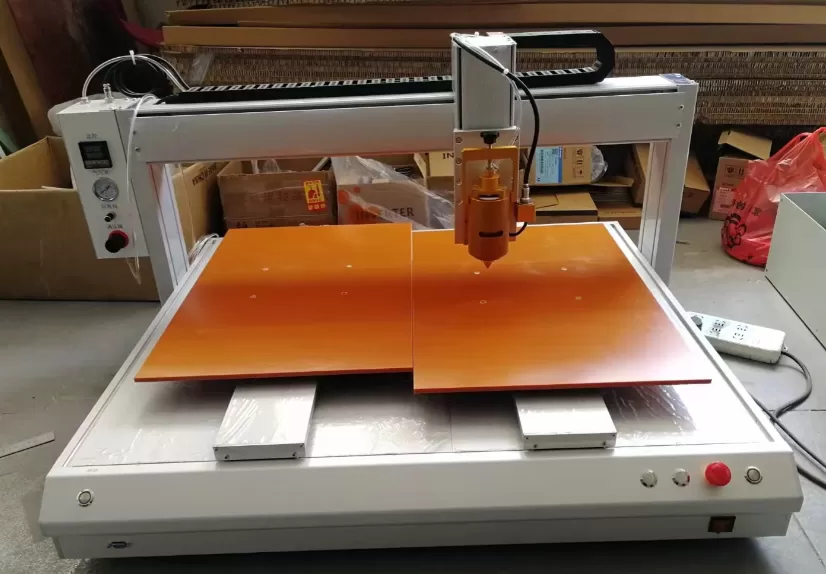
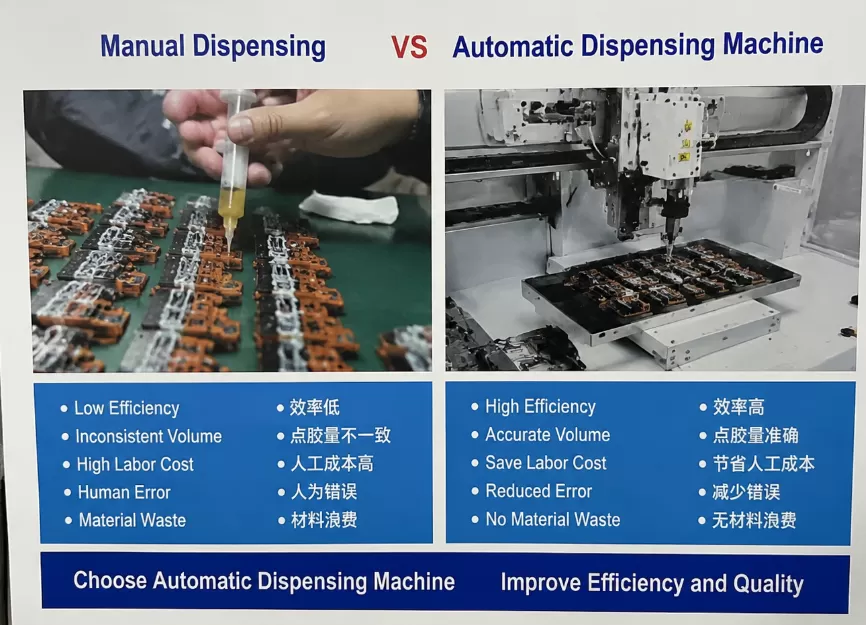
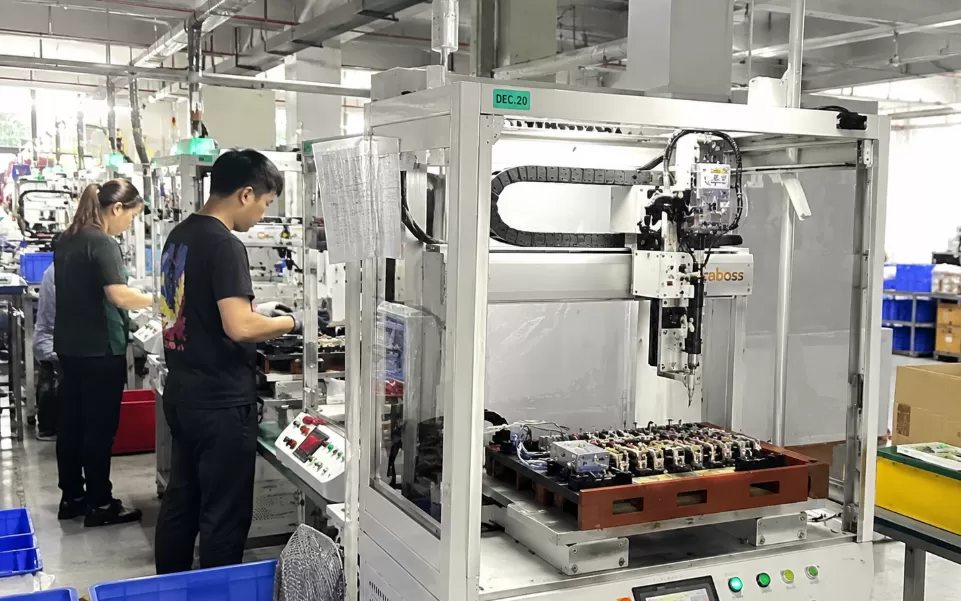
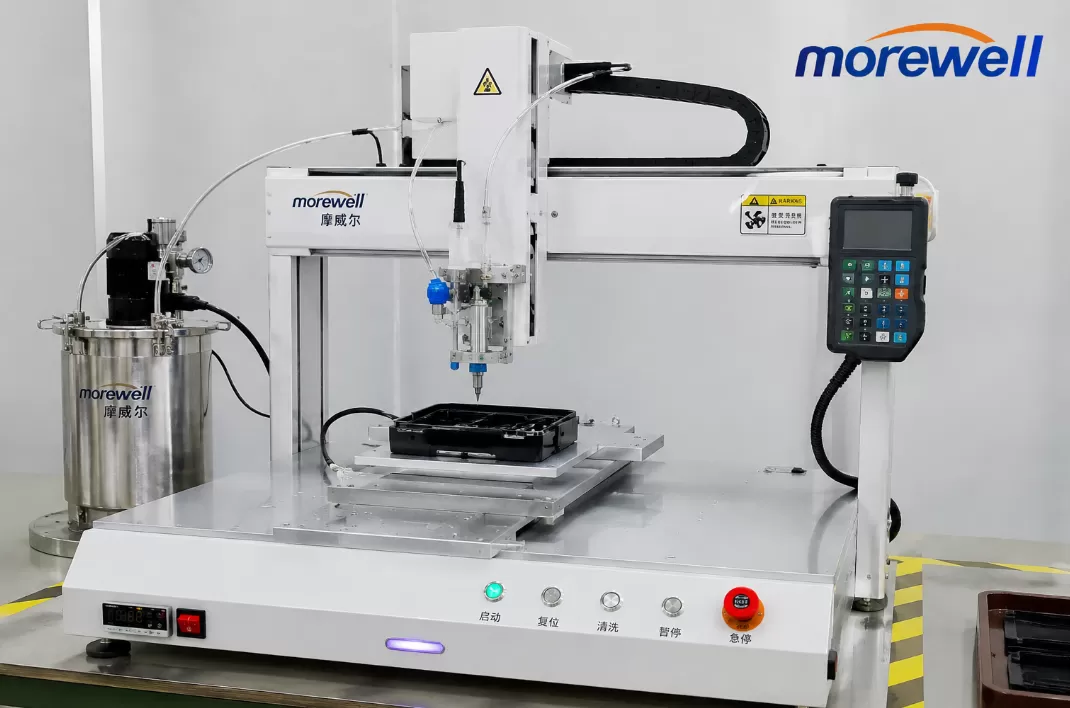
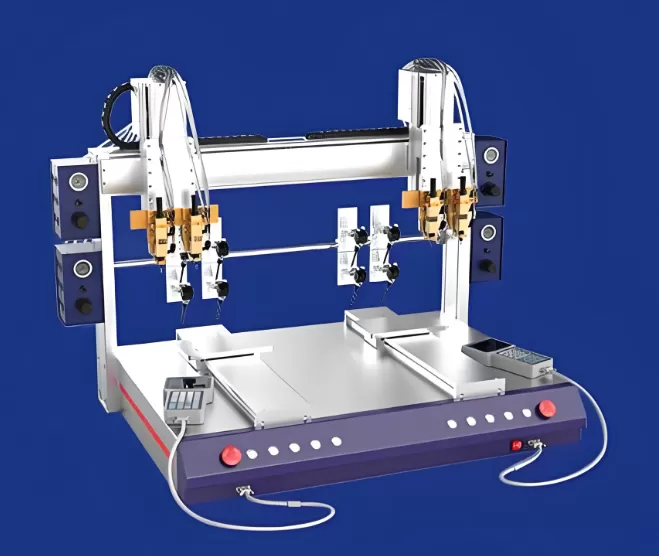
The article explains that dispensing machines are automated devices used to apply glue or adhesives precisely onto workpieces. They are widely applied in electronics, automotive, medical, and aerospace industries. Key components include the glue supply system, motion control system, and dispensing valve, which work together to ensure high precision and stability. Recent innovations have introduced intelligent features such as visual recognition, remote monitoring, and automatic adjustment, further improving accuracy, efficiency, and production management. The text concludes that as manufacturing moves toward higher efficiency and intelligence, dispensing machines will become even more critical in driving industrial transformation and supporting diverse sectors.
Read More